


Clinical Trials at Marshall
At Marshall Cancer Center, a UC Davis Health Affiliate, we bring leading-edge cancer treatment to the heart of El Dorado County, elevating the experience of area residents. The latest clinical trials—typically only available through large academic research centers—are available to Marshall patients through the UC Davis Cancer Care Network affiliation. Marshall encourages patients to speak with their providers about participation in clinical trials.
Please reach out to your health provider or Elizabeth Ebel, Clinical Research Coordinator, at erebel@health.ucdavis.edu for any questions related to clinical trial participation.
View all active clinical trials at Marshall Cancer Center
What are clinical trials?
Clinical trials test new ways to find, prevent, and treat cancer. Trials also help providers discover better ways to improve patients’ quality of life. At Marshall Cancer Center, through our UC Davis Health affiliation, our team offers clinical trials to give our patients the best possible care.
Clinical trials are important in the fight against cancer, but participation is always voluntary.
There are several types of clinical trials offered to Marshall patients:
- Treatment trials look at new or existing therapies to see how well they work for treating cancer. These studies may evaluate chemotherapy, immunotherapies, targeted treatments, or combinations of treatments to improve outcomes.
- Prevention trials focus on ways to reduce the risk of developing cancer. These studies may evaluate medications, vaccines, lifestyle changes, or other strategies designed to help prevent cancer or lower a person’s risk over time.
- Screening trials focus on finding better ways to detect cancer or cancer risk in people who do not yet have symptoms or a cancer diagnosis. These studies may evaluate tests, scans, blood work, or questionnaires to help identify cancer earlier.
- Supportive care trials focus on improving quality of life for people affected by cancer. These studies look at ways to reduce symptoms and side effects and support physical and emotional well-being.
Knowing what clinical trials are and how they work can help you make informed decisions about your care. All clinical trials in the U.S.—including those at Marshall Cancer Center—must be reviewed and approved by an Institutional Review Board (IRB), which helps protect participants’ well-being.
Phases of Clinical Trials
Clinical trials involve a series of steps, called phases, to test new cancer treatments. Depending on the results of each phase, a treatment may move to testing in the next phase. Patients may be enrolled in a clinical trial at any phase if it is an appropriate fit for their health and cancer type.
Phase I
Phase 1 trials test a new treatment in a small group of participants to identify the safest dose, whether patients can tolerate it, and the side effects. This is the first time a new treatment is tested on a human. Phase I clinical trials may last several months to several years and involve 15 to 30 participants.
Phase II
In Phase II trials, researchers give the treatment to a larger group (50 to 100) to see if it works against a specific type of cancer, such as shrinking tumor or slowing their growth. Researchers want to see how effective treatment is in fighting cancer while also assessing side effects and safety.
Phase III
Phase III trials compare the new treatment to the current standard of care treatment in a much larger group of people (from 100 to several thousands). Results from phase 1-3 trials are used to make decisions about approving new treatments or existing treatments for new conditions by agencies like the US Food and Drug Administration (FDA).
Phase IV
Phase IV trials happen after a treatment has been approved by the FDA and are available to the public. Researchers continue to study long-term effects, rare side effects, and how the treatment performs in a more diverse population. This helps ensure the treatment remains safe and effective over time.
How are clinical trials conducted?
A clinical trial follows a detailed plan called a “protocol.” Healthcare providers and research staff carefully follow this plan. The protocol includes:
- Why the study is being done
- Who can participate
- How many participants are needed
- Details about the treatment, such as the medications used, the dose, how often, and for how long
- What other information will be collected from participants
Federal guidelines exist to help ensure that clinical trials are conducted ethically and that the safety of participants is protected. Before joining a clinical trial, participants are given clear information about the purpose, potential risks, and benefits. This process is called informed consent, and it includes a document that helps patients decide if they want to take part. Informed consent is an important step to protect the safety and rights of every participant. Once consent has been given, participants still have the right to leave a study at any time.
Only you can determine if participation is right for you. Clinical trials come with several potential benefits and drawbacks that should be discussed with your care team before deciding to participate.
Additional Resources
Learn more about clinical trial participation from the American Cancer Society.
Learn more about the costs associated with clinic trials from the National Cancer Institute.
Learn more about the benefits and drawbacks of clinical trial participation.
Our Locations
-
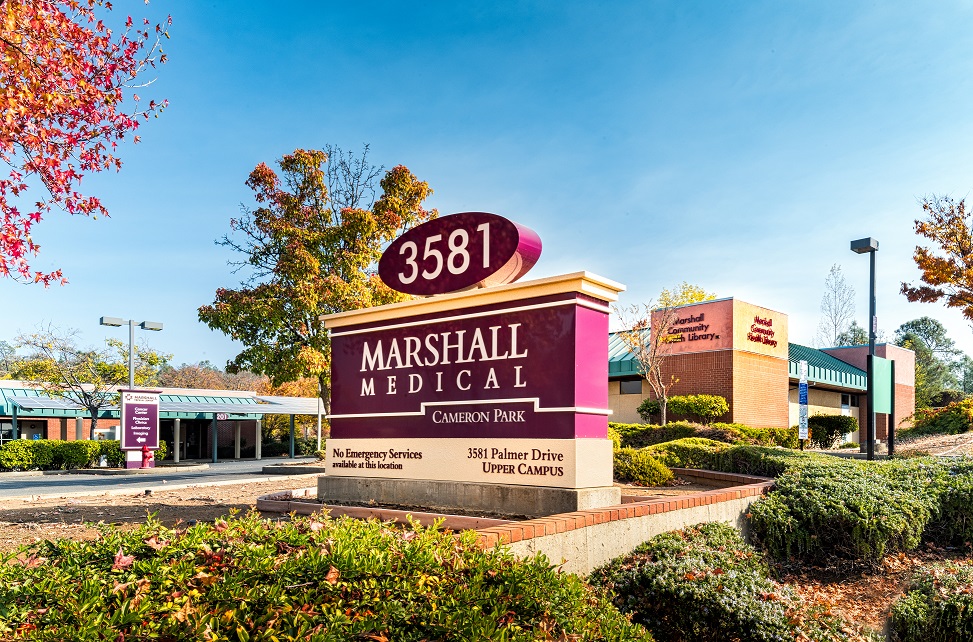
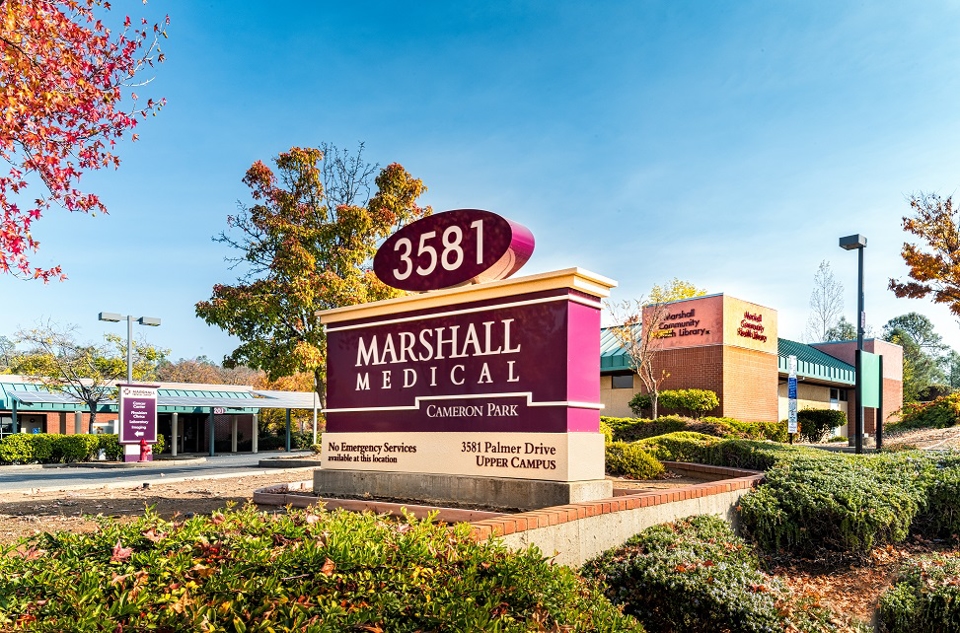 Cancer Center - Cameron Park 3581 Palmer DriveMap & Directions
Suite 400
Cameron Park, CA 95682
See What Patients Are Saying About Marshall
-
“A huge thank you to all the staff – nurses, doctors and attendants – who took care of our dad while he was in the hospital for a week. Everyone we came in contact with was helpful, professional and ...”
-
Our family is so appreciative
“Our family is so appreciative of all the care and compassion we received during my breast cancer lumpectomy process. You all make healing so much easier and faster. Our family thanks you all.”- N.R. -
These folks make the process of going through cancer and all the meds quite easy.
“These folks make the process of going through cancer and all the meds quite easy. For me it was easy, and I could walk out and drive home after the treatments, I am thinking I'm lucky.”- C.M. -
I would recommend it for anyone who wants great medical care.
“Marshall is a really good medical center containing all necessary departments needed. The medical care given by my PCP is really top in class. In fact, all of the people I have come into contact with ...”- KB -
The whole staff is so nice and they truly want to help.
“I love the staff here. They always follow through with what they say they will do. I've never had to remind them. They are amazing. The whole staff is so nice and they truly want to help.”- AF -
I would like to thank the ER team for my amazing care I received.
“I would like to thank the ER team for my amazing care I received. I was treated with respect and caring throughout. The Dr. was very thorough with her work up. I finally got an accurate diagnosis for ...”- K -
“Marshall is filled with great doctors, and caring staff and nurses. It feels like family here.”- JH
-
“I sat in the ER waiting room for about 5 seconds before they were triaging me. The nicest most professional staff ever. I’m talking about everyone, not just the nurses and doctors. God bless all of ...”- Cory
-
“I had an MRI and I was very nervous. The radiologist was terrific! Kind, patient and got me through it, all calm and collected. Thank you!”- JL
